News Round-Up
22 April 2026
Morrisons Sacks Manager for Tackling Shoplifter
21 April 2026
by Will Jones
A Sceptical Stocktake of the Iran War So Far
21 April 2026
Ursula von der Leyen recently stated that 100,000 Ukrainian soldiers have been killed, before deleting the tweet. Sceptics claim she let slip the true number of deaths, but more likely is she just got confused.

How many Ukrainian soldiers have died in the war? On August 22nd, General Zaluzhnyi claimed 9,000. Yet two months earlier, another official said 10,000 had died by June 3rd. The true figure may be closer to 50,000.
Nick Rendell senses a turning of the tide in people’s perception of the vaccines and the pandemic in general, and suggests some ways to broach the topic of vaccines without imbuing unproductive alarm.
A study finally looks at all-cause deaths by vaccination status. The results are incredible, that is to say, not credible: a 71% cut in total deaths from a fourth dose, even though Covid deaths are just 8% of the total.
It's unclear exactly how many casualties Russia has suffered in Ukraine. But a reasonable estimate is about 78,000 (dead plus wounded), which would equate to more than one third of its initial strength.
An elderly widow was forced to certify her husband’s death via Zoom after a GP said they “don’t come out any more” – despite this being contrary to official requirements.
There have been 9,422 excess deaths registered in England and Wales from causes other than COVID-19 in the last 11 weeks, the latest official data show. Is the Government going to investigate why?
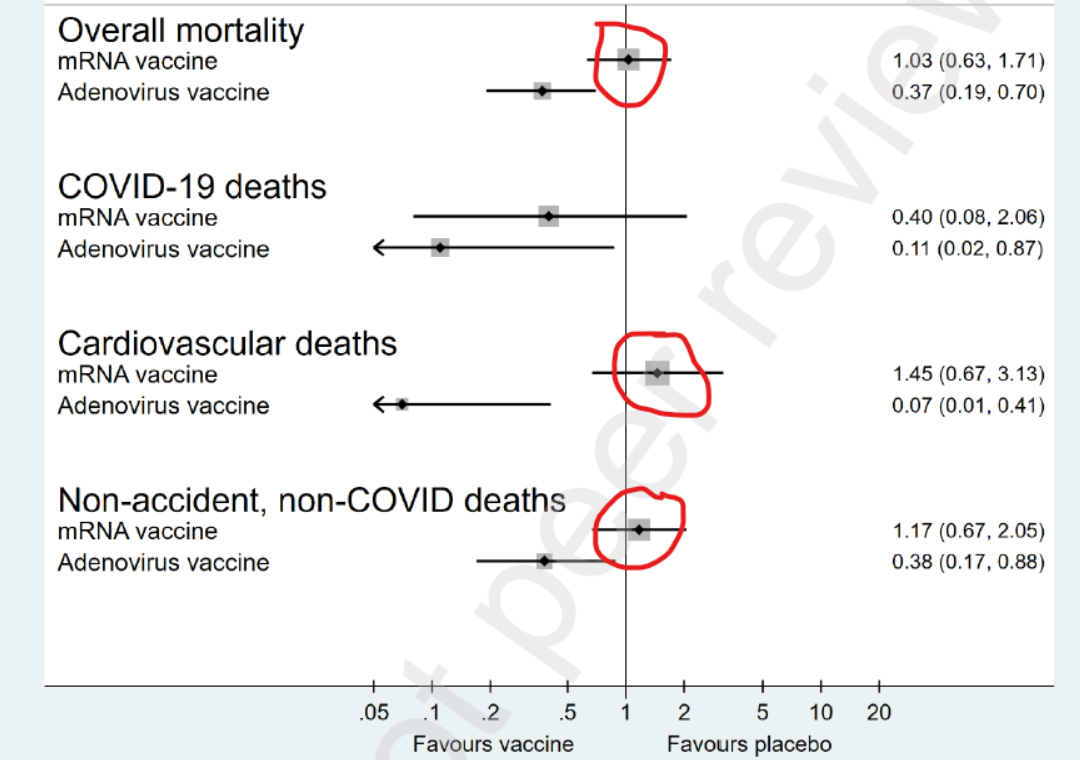
A recent Danish study has caused excitement by suggesting the AZ and J&J vaccines reduce non-Covid mortality including heart-related deaths. But this is very unlikely to be true.
A preprint study in the Lancet has analysed the mortality data from the Covid vaccine trials and found that mRNA vaccines increase the risk of heart-related deaths by up to 50%.
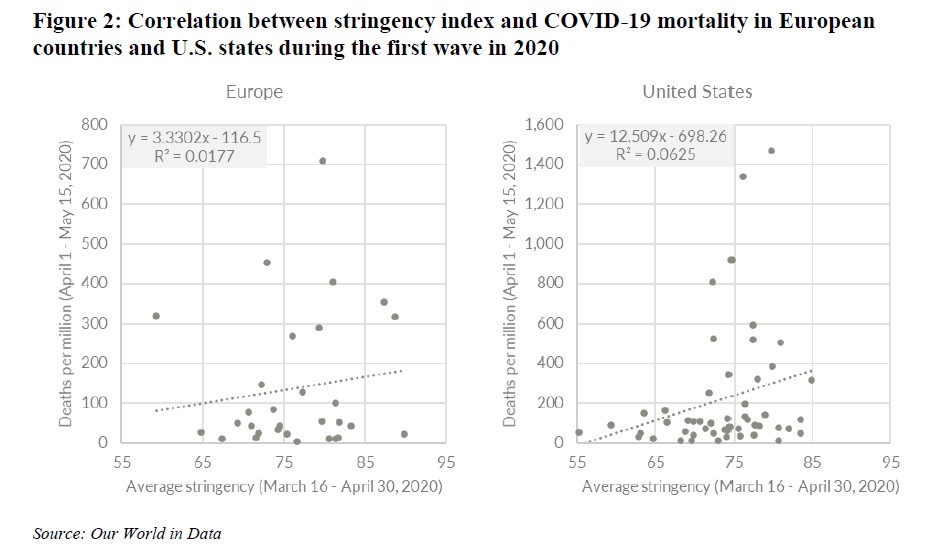
Lockdown restrictions had little to no effect on the number of COVID-19 deaths, a new meta-analysis of empirical studies from the Johns Hopkins Institute for Applied Economics and Global Health has found.